

Short answer: static calibration aims your car’s windshield camera in a controlled space using printed targets, while dynamic calibration aims it by driving the car at set speeds on well-marked roads. Your vehicle maker decides which method is required, and some cars need both. Either way, the camera has to be recalibrated after a windshield replacement before lane keeping and automatic braking can be trusted again.
If you read our guide on why ADAS calibration matters after a windshield replacement, you already know the camera behind your mirror has to be re-aimed. This post goes one step further and explains how that happens, so you know what to expect when you book a replacement in Columbus.
What is ADAS calibration?
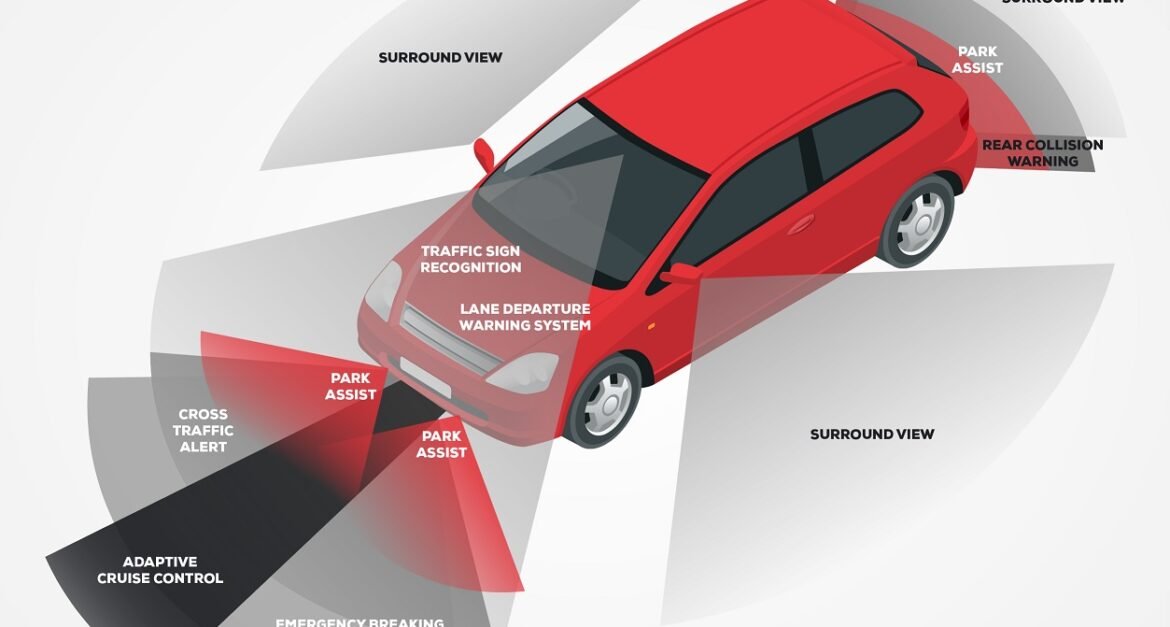
ADAS stands for Advanced Driver Assistance Systems. On most newer cars, a forward-facing camera mounted at the top of the windshield reads lane lines, signs and traffic. Features like lane departure warning, lane keeping assist, adaptive cruise control and automatic emergency braking rely on what that camera sees.
Calibration tells the car exactly where the camera is pointing. A new windshield can sit a fraction of an inch differently than the old one, and the camera bracket moves with it. A tiny change in angle turns into a big error a few hundred feet down the road, so the system has to be re-aimed to the vehicle maker’s specifications.
How static calibration works
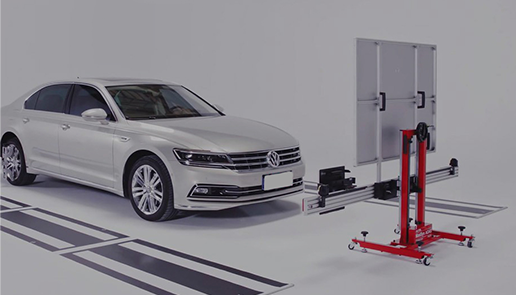
Static calibration happens with the car parked. A technician sets targets, usually large printed patterns on stands, at precise distances and heights in front of the vehicle. A scan tool then puts the car into calibration mode, and the camera locks onto the targets to learn its exact position.
Because the camera is measuring against the targets, the setup matters. The floor needs to be level, the lighting even, and the area free of clutter or reflections that could confuse the camera. Tire pressure and an empty, normally loaded vehicle also help the measurement come out right.
How dynamic calibration works
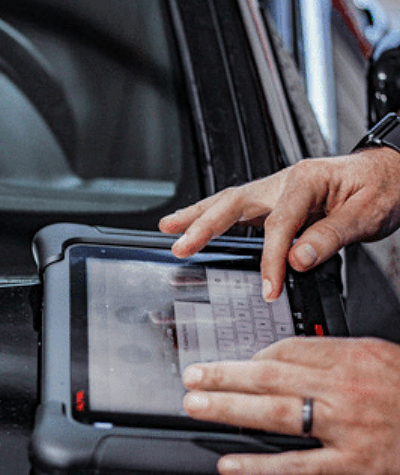
Dynamic calibration happens on the road. The technician connects a scan tool, starts the calibration routine and drives the car at the speeds the manufacturer specifies. The camera learns its position by watching real lane markings and road edges as the car moves.
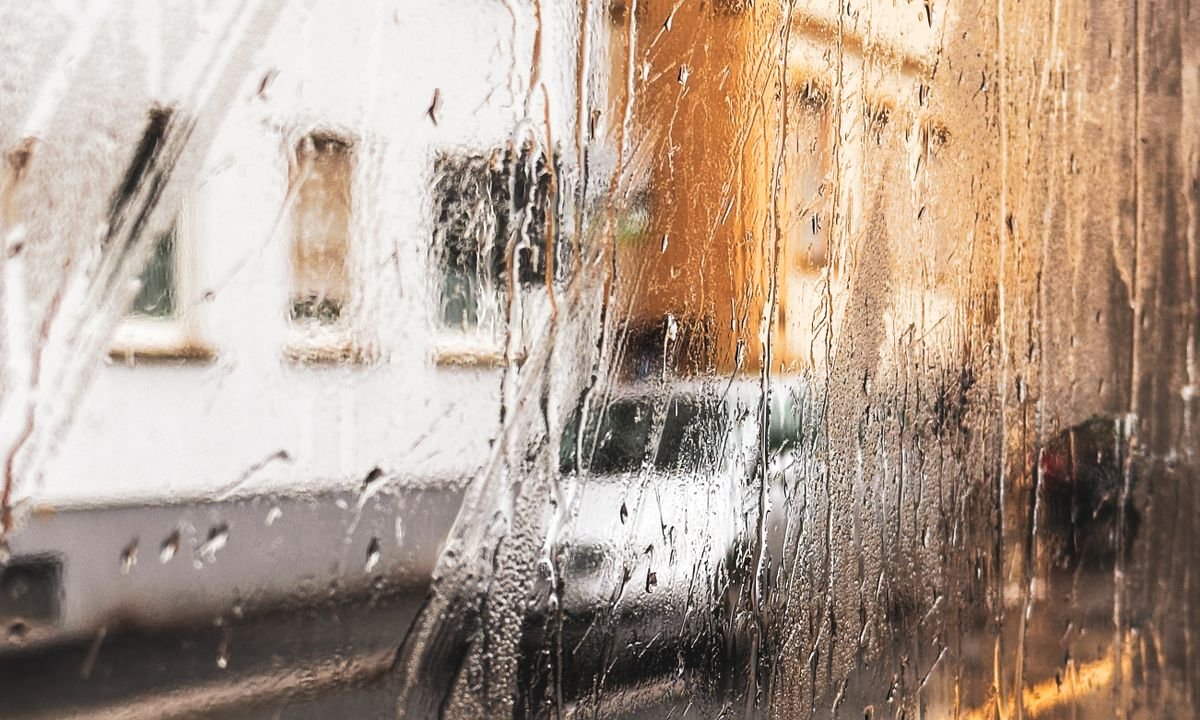
That means road conditions matter. Clear, freshly painted lane lines and steady traffic help the process finish quickly. Around Columbus, stretches of I-270 and I-71 usually work well in good weather. In winter, though, snow covering the lines, heavy rain or slushy roads can slow a dynamic calibration down or push it to another day.
Which one does my car need?
You do not get to choose, and neither do we. Each vehicle maker publishes the calibration method for each model and system. Some only call for static, some only for dynamic, and many require both, for example a static target calibration followed by a confirmation drive. Your year, make, model and trim decide the procedure, which is why we look up the requirements for your exact vehicle before the appointment.
As a general rule, if your car has a camera behind the rearview mirror, plan on calibration after any windshield replacement. If you are not sure whether your car has one, look for a dark plastic housing at the top center of the windshield on the outside.
What happens if calibration is skipped?
A camera that is off by even a small angle can steer you toward the edge of a lane, warn too late, or brake when it should not. Some cars show a warning light right away. Others give no warning at all, which is the bigger risk because the system looks normal while working with bad information. Skipping calibration is not worth it on the roads around Grove City, Lewis Center and Polaris, especially in winter traffic.
Key takeaways
- Static calibration uses targets in a controlled space. Dynamic calibration uses a test drive on marked roads.
- The vehicle maker sets the method. Many cars need both.
- Calibration should follow every windshield replacement on a car with a windshield camera.
- Winter weather can delay dynamic calibration because the camera needs to see lane lines.
Frequently asked questions
How long does ADAS calibration take?
It depends on the vehicle and the method. Many static calibrations take under an hour once the targets are set up. Dynamic calibration depends on road and weather conditions, because the car has to drive until the camera finishes learning. Cars that need both take longer. We give you a time estimate for your specific vehicle when you book.
Do I need calibration after a windshield chip repair?
Usually not. A chip repair fills the damage without removing the glass, so the camera does not move. Calibration is tied to replacing the windshield or disturbing the camera mount.
Can dynamic calibration be done in the snow?
It can be harder. The camera needs to see clear lane lines and road edges, so snow-covered or poorly marked roads can stop the process from completing. If that happens, the calibration is finished on a better day, or a static method is used if the vehicle allows it.
Will my insurance cover ADAS calibration?
Many comprehensive policies that cover windshield replacement also treat the required calibration as part of the same claim, but coverage varies. Ask your insurer, or let us help you check. See our insurance page for how claims work.
How do I know the calibration worked?
A proper calibration ends with the scan tool confirming the vehicle accepted the new settings, and the ADAS warning lights should be off. On the road, lane keeping should center the car normally and alerts should behave the way they did before.
Get your windshield and calibration handled together in Columbus
Auto Glass Discounters replaces windshields and handles safety system recalibration for drivers across Columbus, Grove City, Lewis Center and Polaris. We will tell you up front which calibration your car needs and where it will happen. Request a free quote to get started.